
How to Choose the Right Hearing Aid in India: A Complete 2026 Guide
Hearing loss rarely announces itself all at once. It creeps in a missed word here, a TV volume that keeps climbing, a conversation you had to ask someone to repeat. By the time most people in India seek help, they’re often surprised by how many hearing aid options exist, and how confusing the choice can be.
If you or a loved one is exploring hearing aids for the first time, here’s a clear, no-jargon guide to making the right call.
Start With a Proper Hearing Test, Not a Guess
The single biggest mistake people make is buying a hearing aid before understanding their actual hearing loss. Hearing loss isn’t one-size-fits-all — it can be mild or severe, affect one ear more than the other, or be limited to specific frequencies (like the high-pitched sounds in speech).
A certified audiologist will run a proper diagnostic hearing test and map out exactly where your hearing is weak. This single step determines almost everything else: which device type suits you, how it should be programmed, and what results to realistically expect.
Skip this step, and even the most expensive hearing aid can feel wrong.
Understand the Main Types of Hearing Aids
Once you know your hearing profile, the next decision is the device style. In India, most clinics offer:
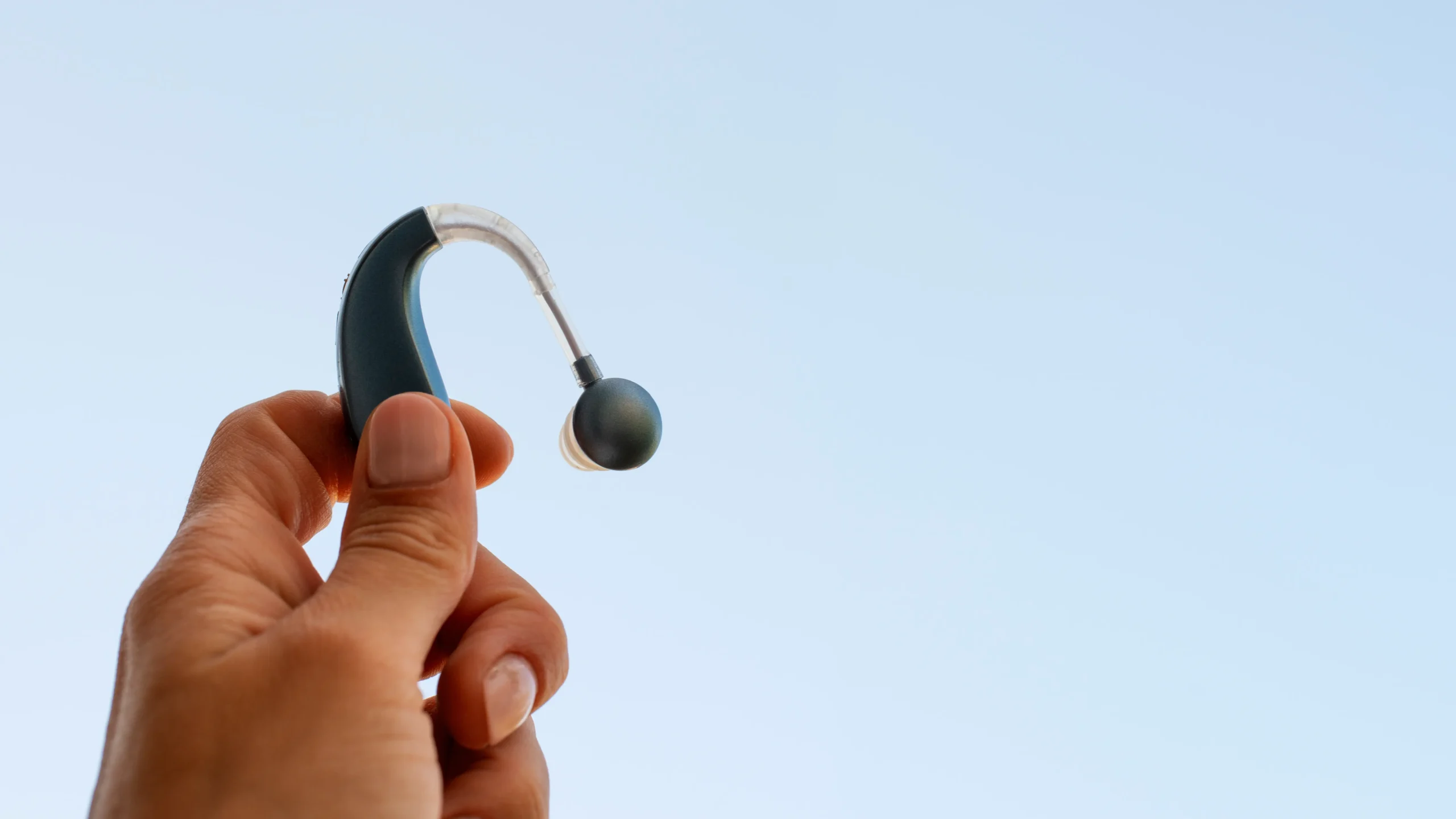
- BTE (Behind-The-Ear): Sits behind the ear with a tube running to the ear canal. Durable, easy to handle, and suited for mild to profound hearing loss — a common starting point for first-time users and older adults.
- RIC (Receiver-In-Canal): A smaller, more discreet version of BTE, with the speaker sitting inside the ear canal. Popular for its natural sound quality and lower visibility.
- ITE / ITC (In-The-Ear / In-The-Canal): Custom-molded to fit inside the ear, offering a balance of discretion and ease of use.
- CIC / IIC (Completely/Invisible-In-Canal): The smallest, most hidden options, best suited for mild to moderate hearing loss and users who prioritize cosmetics.
There’s no universally “best” type — the right one depends on your degree of hearing loss, ear anatomy, dexterity (can you comfortably handle a tiny device daily?), and budget.
Know What You’re Paying For
Hearing aid prices in India vary widely — from roughly ₹15,000 for basic models to several lakhs for premium, AI-driven devices. The price difference usually comes down to:
- Number of sound channels — more channels mean finer, more natural sound processing across different environments.
- Noise reduction and speech-in-noise performance — crucial if you spend time in restaurants, markets, or traffic.
- Connectivity — Bluetooth streaming to smartphones, TV, and calls.
- Rechargeability — rechargeable batteries have become the norm in mid-to-premium models, cutting the hassle of tiny disposable batteries.
- Brand and warranty support — established brands typically offer better long-term service networks across India.
A higher price tag isn’t automatically “better” for you it’s better if those specific features match your lifestyle and hearing needs.
Don’t Underestimate After-Sales Support
A hearing aid isn’t a one-time purchase it’s an ongoing relationship. Your hearing can change over time, devices need reprogramming, ear molds need adjusting, and batteries or components eventually need servicing.
Before buying, ask:
- Is there a local clinic you can walk into for fittings and adjustments?
- What does the warranty actually cover?
- How easy is it to book a follow-up appointment?
A clinic with a physical presence and responsive audiologists will matter far more, six months in, than the brand name on the box.
Trial Before You Commit
Reputable clinics let you trial a hearing aid for a period before finalizing your purchase. Use this time deliberately — wear it in quiet rooms, noisy markets, during phone calls, and around the TV. Comfort and clarity should hold up across all of these, not just in a quiet consultation room.
The Bottom Line
Choosing a hearing aid in India comes down to four things: an accurate hearing test, the right device type for your lifestyle, honest budgeting based on features you’ll actually use, and a clinic you can rely on for the long haul.
At Hear For Sure, our audiologists guide you through every one of these steps from your first hearing test to ongoing support — with trusted brands like Oticon, Phonak, ReSound, Signia, Starkey, and Widex. Book a free consultation at your nearest clinic to find the hearing solution that’s actually right for you.