
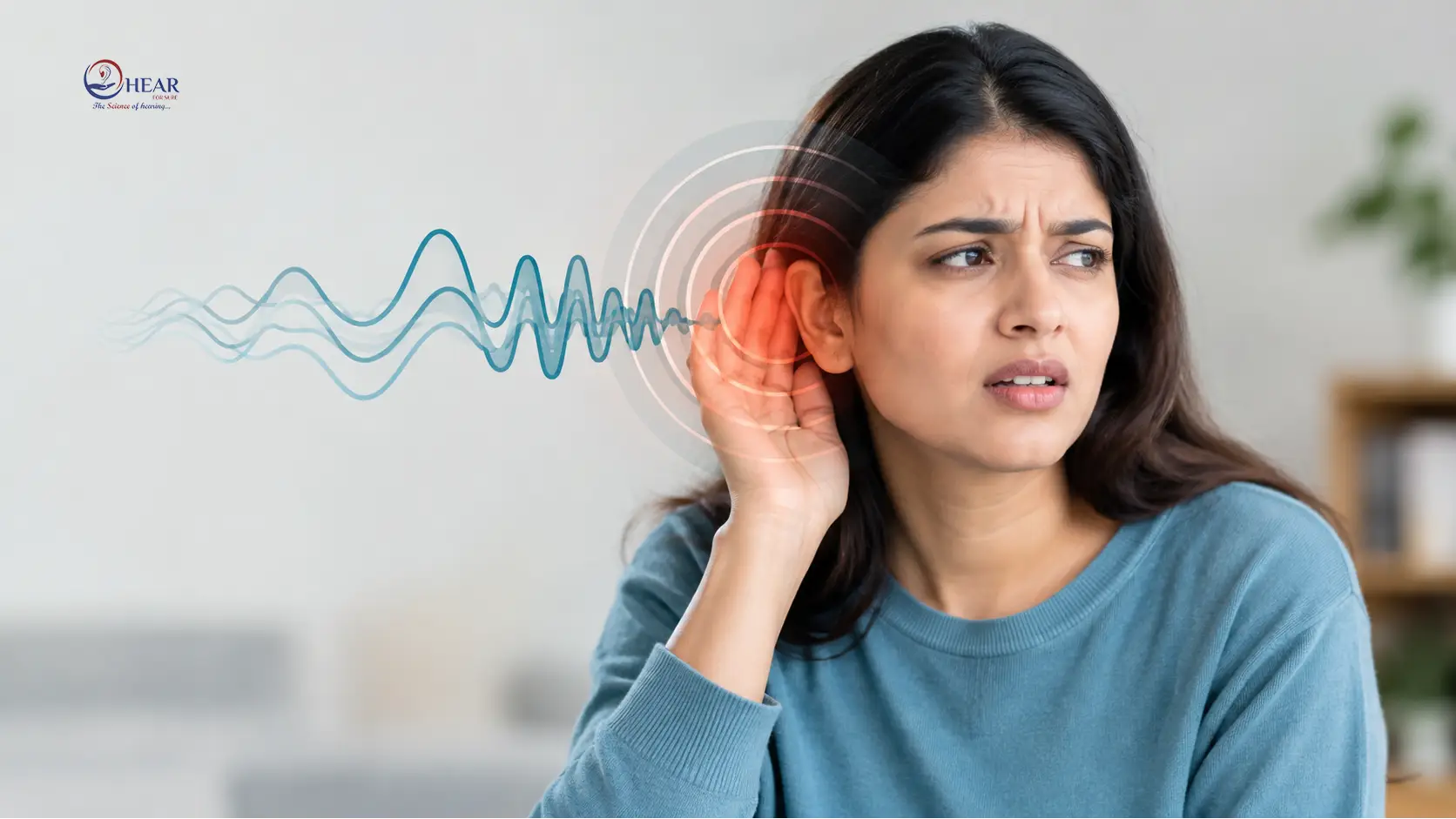
Signs of Hearing Loss: Symptoms, Causes & When to Seek Help
Missing a word now and then, or turning up the TV a little louder most of us don’t think twice about it. But if it keeps happening, and noisy rooms make conversations hard to follow, it might be more than a bad day for your ears.
So, what are the signs of hearing loss?
The most common signs are asking people to repeat themselves, turning the volume up higher than others like it, struggling in noisy places, ringing in the ears, muffled speech, and feeling tired after talking to people. These signs can affect:
- Talks with family and friends
- Work
- Confidence in social settings
- Sleep and mental rest
- Overall mood
Many people live with hearing trouble for years without knowing help is available. They just think it’s “getting older” or “people don’t speak clearly anymore.”
Spotting the signs early makes it easier to get help before it affects daily life even more.
What Is Hearing Loss?
Hearing loss means you can’t hear sounds as clearly as before — speech, everyday noises, or certain pitches.
It can show up as:
- Hearing getting worse slowly, or suddenly
- Trouble with high-pitched sounds
- Muffled or unclear sound
- Ringing or buzzing in the ears
- Trouble understanding speech in noise
If this keeps happening, a hearing test can help find out why and what to do next.
Hearing loss can affect your relationships, work, mood, safety, and confidence. The good news: most hearing loss can be managed with early testing and the right support.
Common Signs of Hearing Loss
Everyone notices it differently. Here are the signs to watch for.
1. Asking People to Repeat Themselves
You miss parts of sentences, say “what?” a lot, or read lips to follow along. This happens because your brain is working overtime to fill in missing sounds.
2. Turning the Volume Up
If people say the TV or your phone calls are too loud, but it feels normal to you, that’s often one of the earliest signs.
3. Trouble in Noisy Places
Restaurants, weddings, or busy markets become hard to follow. Background noise makes it harder to pick out speech.
4. Ringing or Buzzing in the Ears (Tinnitus)
A constant or occasional ringing, buzzing, or hissing sound — often more noticeable at night. Tinnitus can sometimes be linked to conditions like Meniere’s disease, so it’s worth checking with a specialist.
5. Muffled or Unclear Sounds
Speech may sound like it’s coming through a wall, or certain letters (like “s” or “f”) get hard to catch.
6. Trouble on Phone Calls
No lips to read on a call makes hearing loss more obvious. Many people start avoiding calls and prefer texting instead.
7. Feeling Tired After Conversations
Your brain works harder to hear, which leave you mentally drained, unfocused, or even can give you headaches.
8. Avoiding Social Situations
Skipping gatherings or preferring one-on-one talks over groups is common — because groups feel exhausting to follow.
9. Missing Soft or High-Pitched Sounds
Not hearing the doorbell, birds, or a kettle whistling is often one of the first signs a hearing test would catch.
Signs in Older Adults
Age-related hearing loss develops slowly, so family often notices it first a louder TV, missed conversations, or frustration in groups. It can sometimes look like confusion or disinterest, when really, it’s a hearing issue. A hearing test can make this clear.
What Causes Hearing Loss?
- Age natural wear on the ear over time
- Loud noise long exposure to traffic, machines, or loud headphones
- Ear infections or fluid buildup
- Earwax buildup common and easy to treat
- Genetics — family history plays a role
• Medical conditions like Meniere’s disease
- Certain medicines — some affect hearing as a side effect
There’s rarely just one cause, which is why a proper hearing check matters more than guessing.
When Is It More Than Normal?
Everyone mishears things sometimes. But it may need attention if it:
- Happens often
- Gets in the way of conversations or work
- Makes you avoid people
- Comes with ringing or ear discomfort
You don’t need to wait until it gets worse to ask for help.
When Should You See a Professional?
Consider a hearing test if:
- Trouble hearing keeps happening or is getting worse
- You often ask people to repeat themselves
- Group conversations feel exhausting
- You notice ringing or fullness in your ears
- Family has mentioned changes in your hearing
A hearing test is quick, painless, and gives you real answers.
How a Hearing Test Can Help
A proper test can:
- Show the type and level of hearing loss, if any
- Find the likely cause
• Help you explore hearing aid options that fit your life
- Give you a clear plan going forward
Picking the right audiologist matters too — someone who explains things clearly, without pressure.
Supporting Better Hearing at Hear For Sure
At Hear For Sure, hearing care is simple, honest, and personal. The clinic offers:
- Full hearing tests and checkups
- Guidance on hearing aid brands
- Fitting and ongoing support
- Friendly, no-pressure consultations
New to hearing aids? How to Choose the Right Hearing Aid in India is a good place to start before your visit.
Frequently Asked Questions
What are the first signs of hearing loss?
Asking people to repeat themselves, turning up the volume, struggling in noisy places, and mild ringing in the ears.
Can hearing loss cause ringing in the ears?
Yes. Ringing (tinnitus) often comes with hearing loss, though it can happen on its own too.
How do I know if it’s hearing loss or just noise being hard to hear?
Occasional trouble in loud places is normal. It may need a check if it happens often, even in quiet settings.
Can children get hearing loss too? Yes.
It can be present at birth or develop from infections or other causes. Watch for delayed speech or turning up device volume.
Does a hearing test hurt or take long?
No. It’s painless and usually takes 30–45 minutes.
Conclusion
Hearing loss can be easy to brush off a missed word here, a louder TV there. But catching the signs early makes it much easier to fix. Whether it’s ringing in the ears, tiredness after talking, or just turning the volume up, you don’t have to figure it out alone. A simple hearing test can give you real answers and a clear next step